
Daikoku PA: Inside Japan's Legendary Car Meet Hotspot
Everything you need to know about navigating Yokohama's world-famous automotive underground.
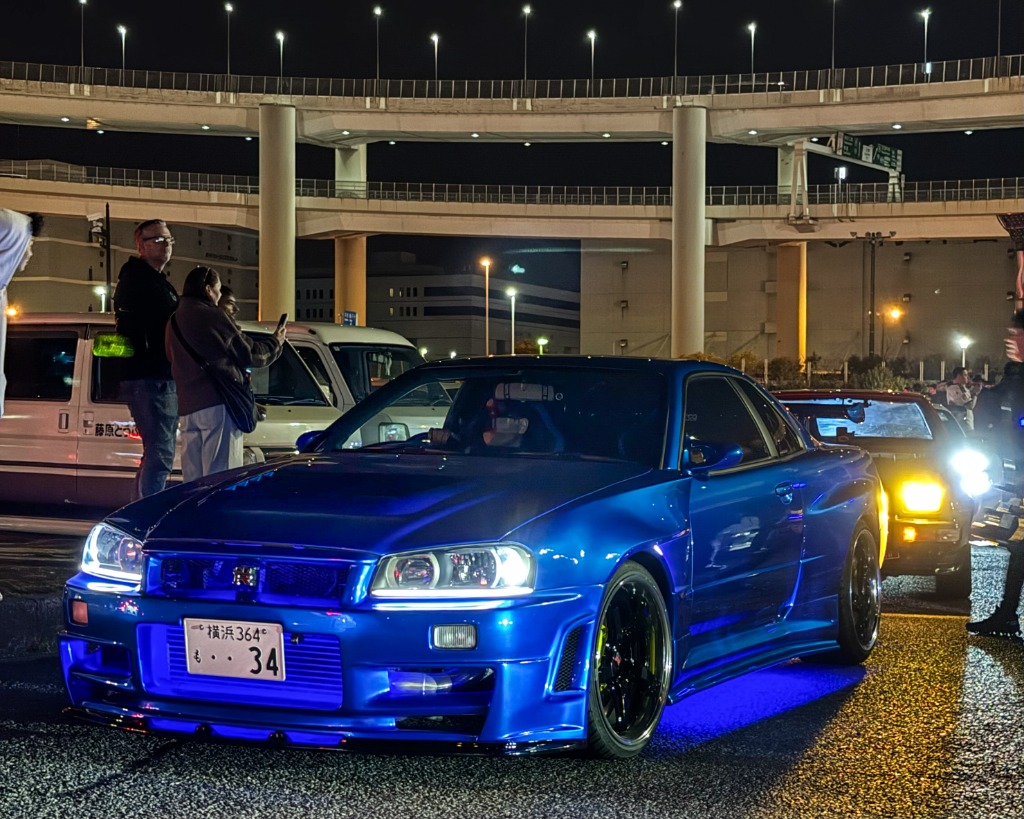
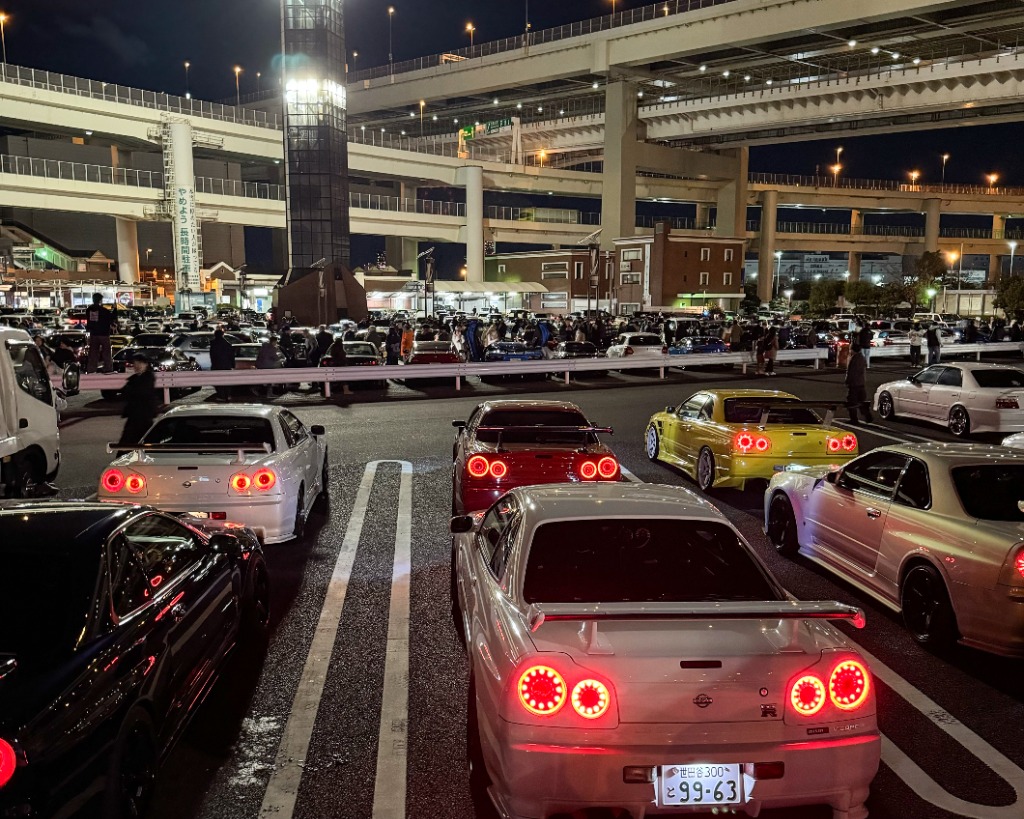
Table of Contents
What Makes Daikoku PA So Special?
When talking about Japanese car culture on a global scale, it rarely takes long before the conversation shifts to the neon-lit highways of the Shuto Expressway and, most famously, the Daikoku Parking Area (Daikoku PA). Situated on a man-made pier in Yokohama, right under the spiraling ramps of the Bayshore Route (Wangan), this specific highway rest stop has evolved into something entirely disconnected from its original purpose.
Normally, a highway service area is just a place for weary truckers and long-distance travelers to grab a quick bowl of ramen and take a nap. However, thanks to its strategic location, massive spiral access ramps, and wide-open parking spaces, Daikoku PA naturally became the ultimate designated meeting point for the Kanto region's most passionate automotive communities.
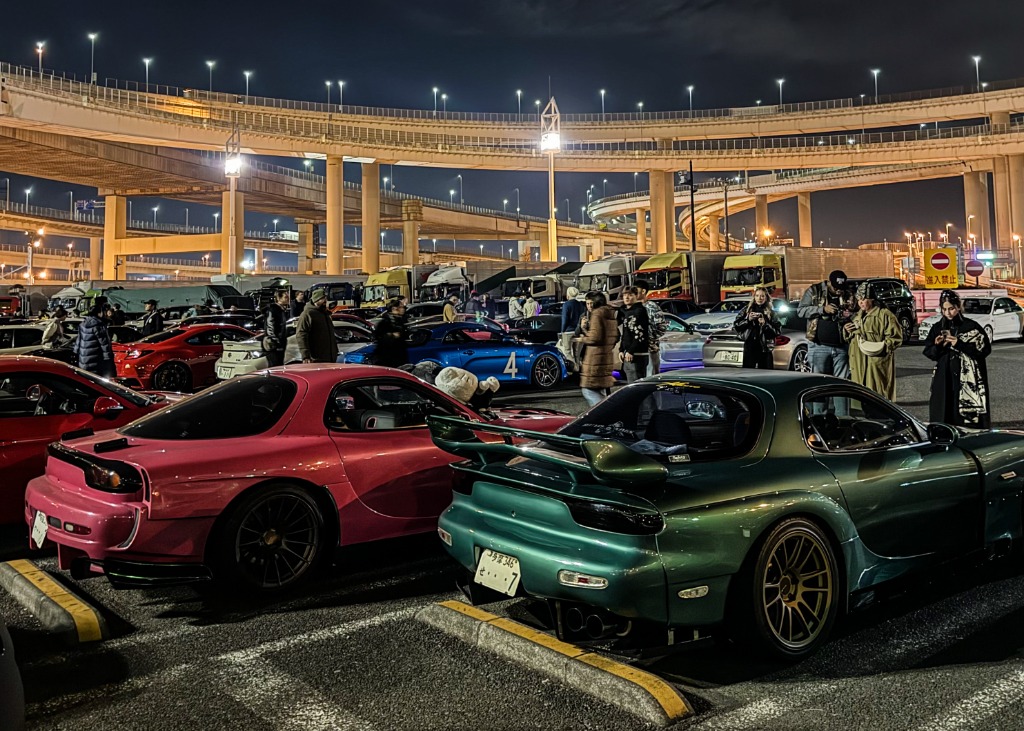
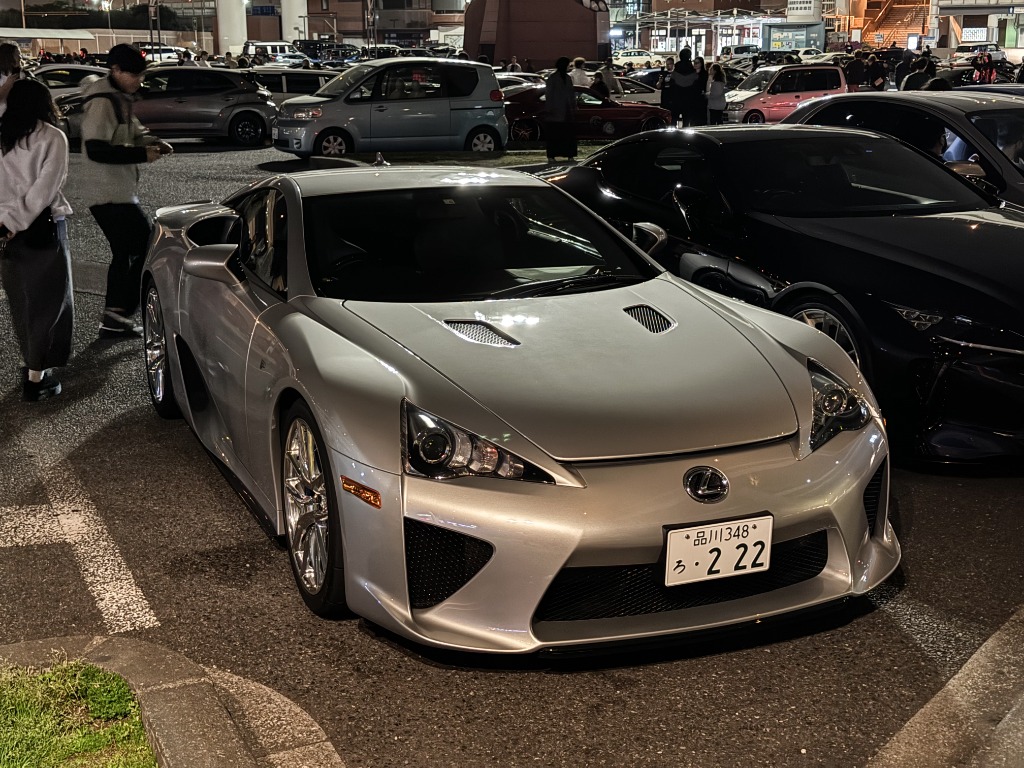
Today, it is internationally recognized as a bucket-list destination. On any given weekend night, you will find generations of automotive mastery lined up together under the orange glow of the streetlights. From meticulously preserved 90s JDM icons to million-dollar European exotics bursting with blinding neons, the sheer variety of vehicles gathering here makes it the undisputed epicenter of Japan's modern car scene.
The Vehicles You Will Encounter
The Golden Era JDM Legends
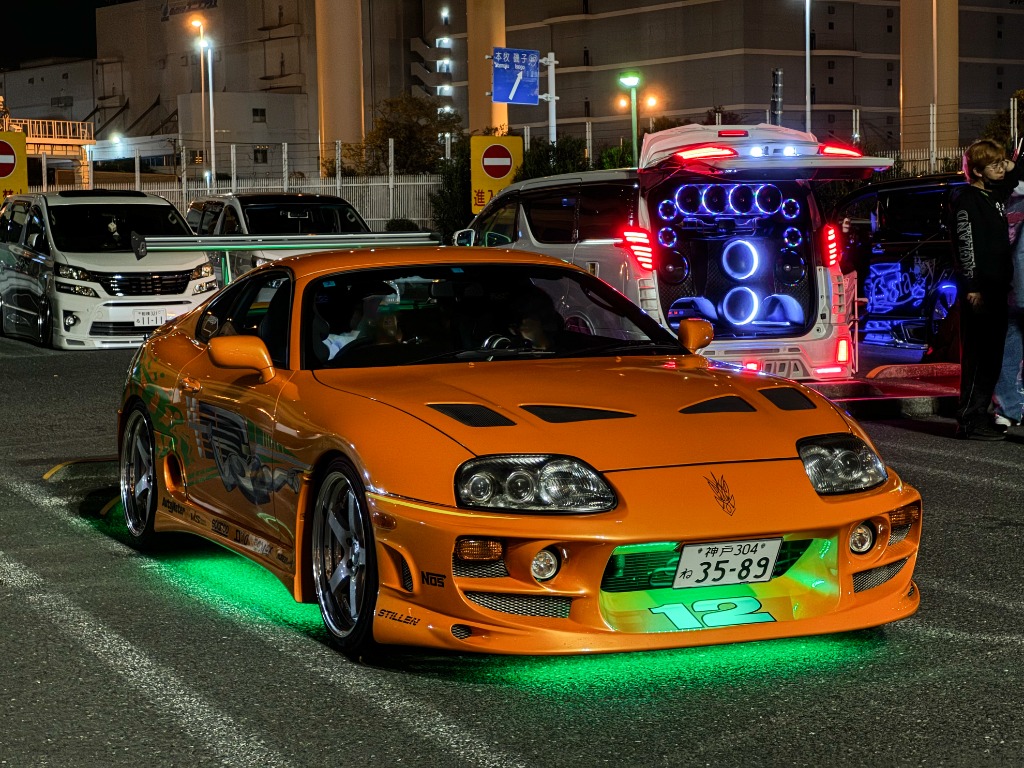
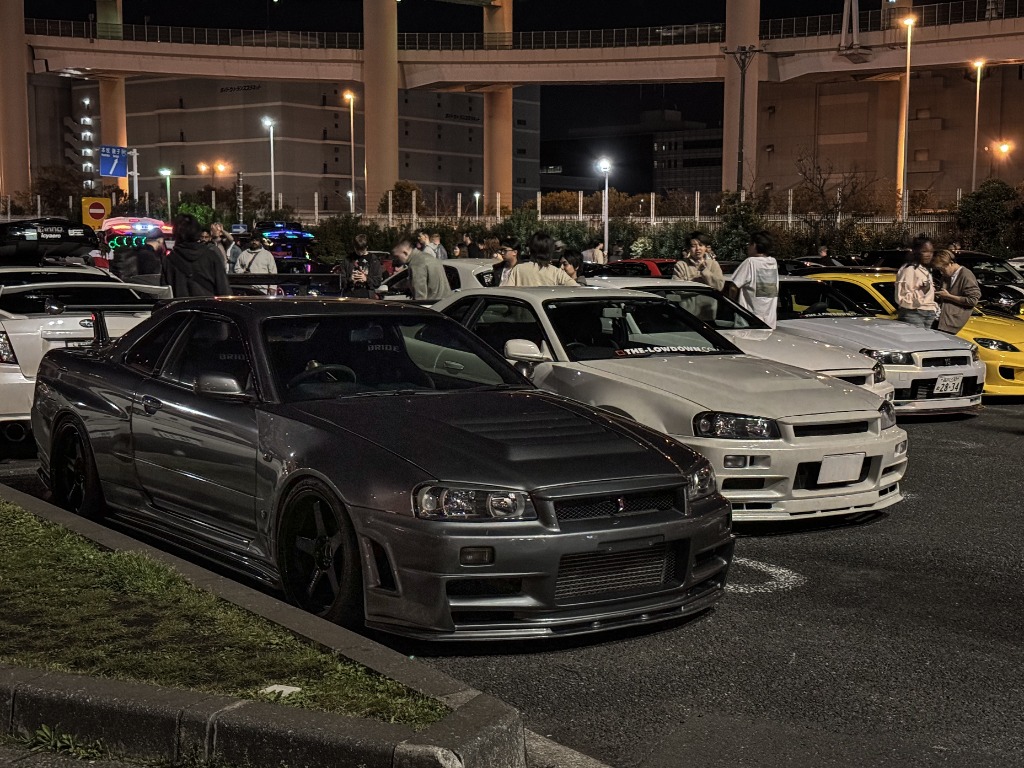
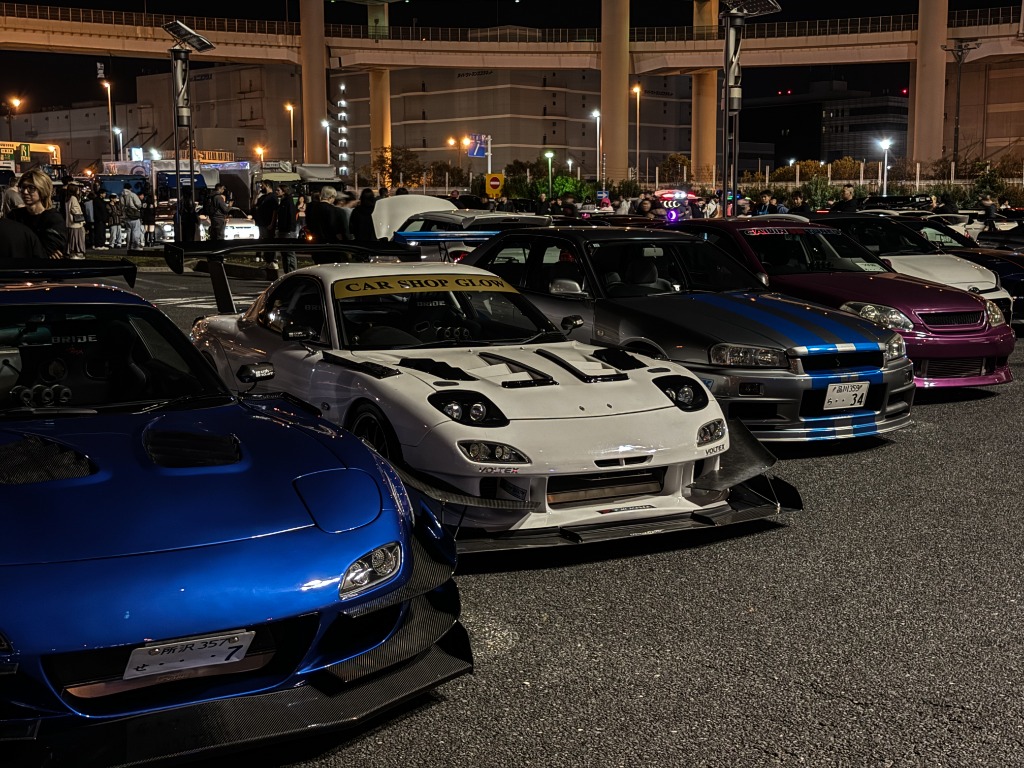
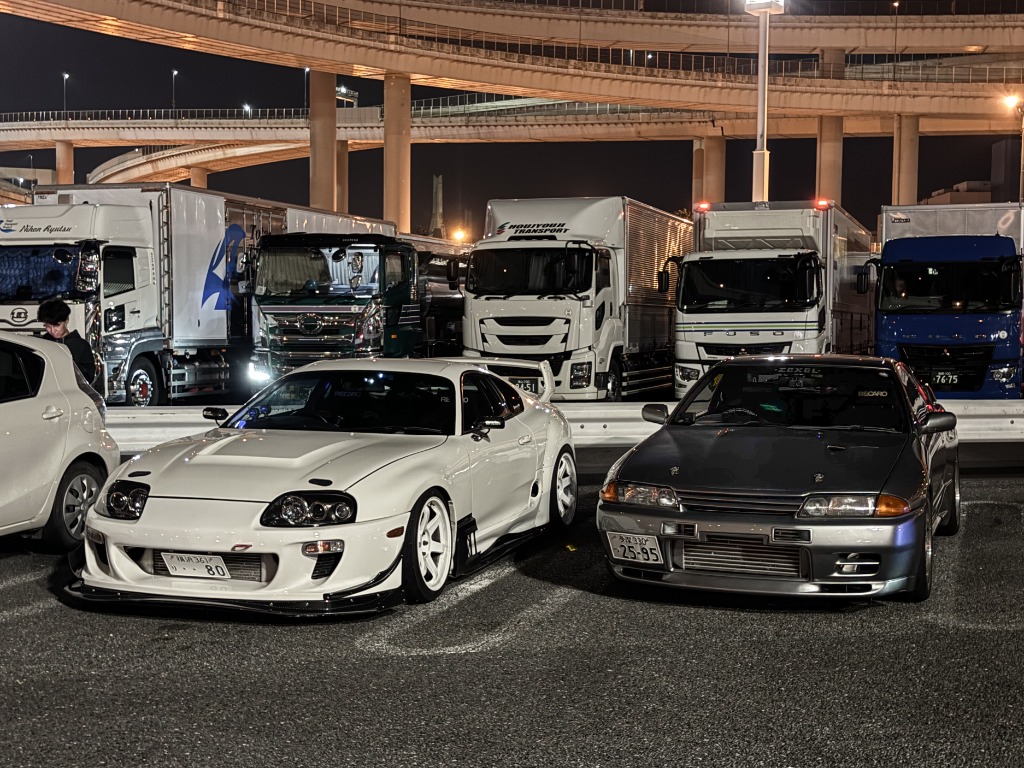
As you would expect, the heartbeat of Daikoku PA revolves around the 1990s and early 2000s domestic market. It’s entirely normal to see fleets of R32, R33, and R34 Nissan Skyline GT-Rs parked sequentially. Toyota Supras (A80), Mazda RX-7s (FD3S), and generations of Honda NSXs act as the core attractions. These aren't just display cars—they are rigorously driven machines that represent the peak of Japanese engineering and tuner culture.
Exotics, Supercars, and Hypercars
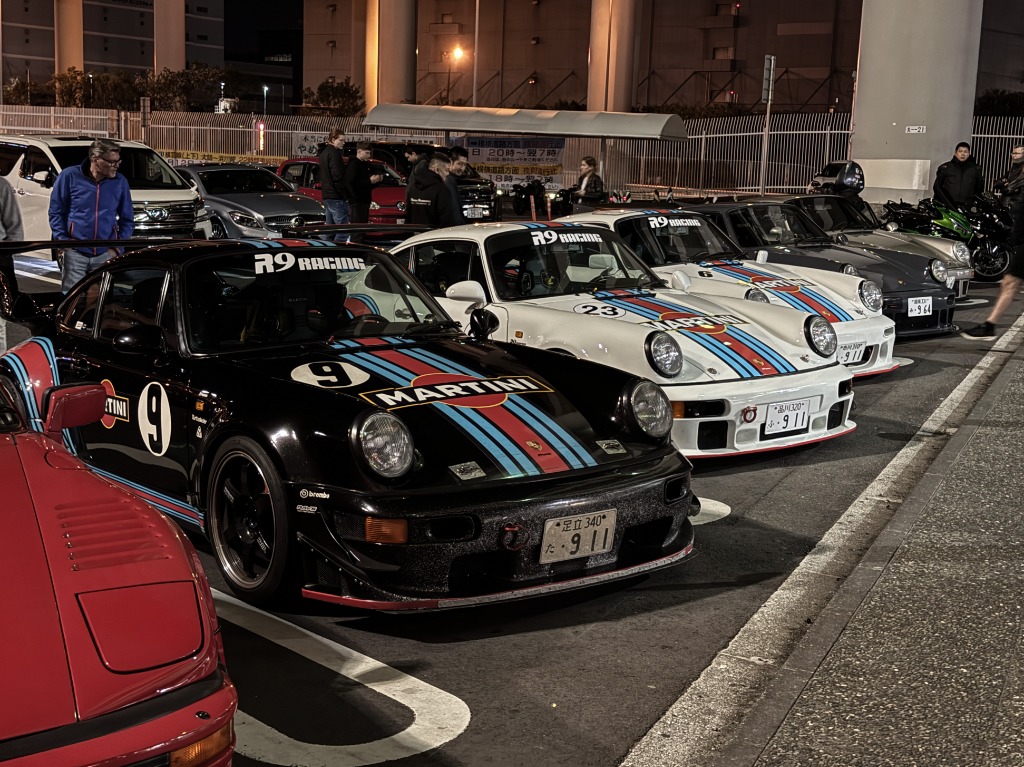
Japan’s automotive scene is heavily influenced by Western imports, and nowhere is this more aggressively displayed than at Daikoku. Alongside the domestic tuners, it is notoriously common to witness massive groups of modified Lamborghinis, Ferraris, and Porsches arriving in roaring convoys. Many of these exotics are fitted with striking LED light kits and custom exhausts, leaning heavily into the "Morohoshi-style" aesthetic that Tokyo is famous for.
Lowriders, VIP, and Classic Kyusha
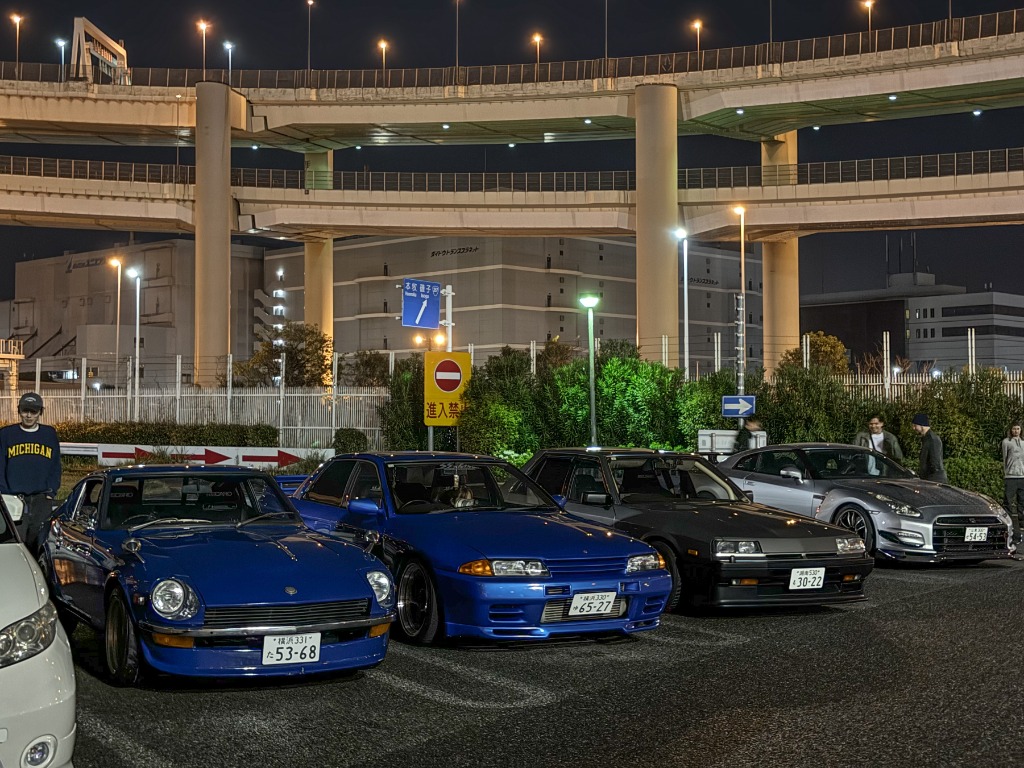
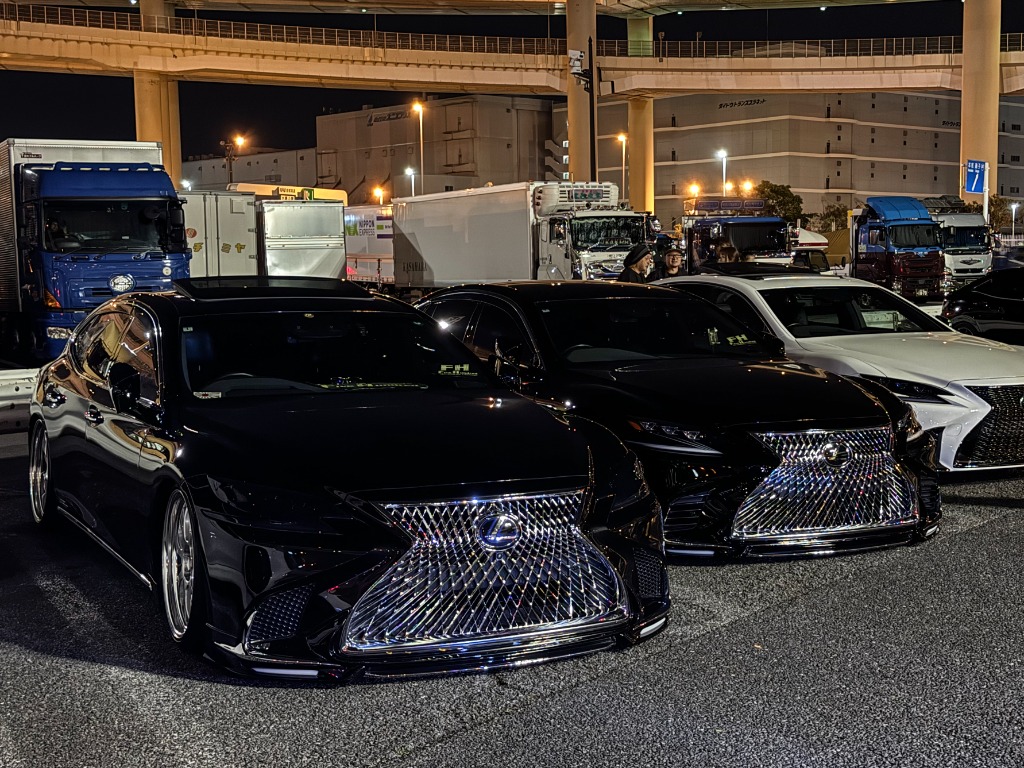
If JDM sports cars aren't your primary focus, the diversity at Daikoku will still leave you stunned. Certain nights attract massive gatherings of "VIP Style" (Bippu) sedans—luxury Toyota Crowns and Lexus models slammed to the ground with ridiculous negative camber. Alternatively, you might stumble upon a fleet of intricately painted classic lowriders bouncing on hydraulics, or pristine classic "Kyusha" models from the 1970s.
The Onkyozoku (Custom Audio Tribe)
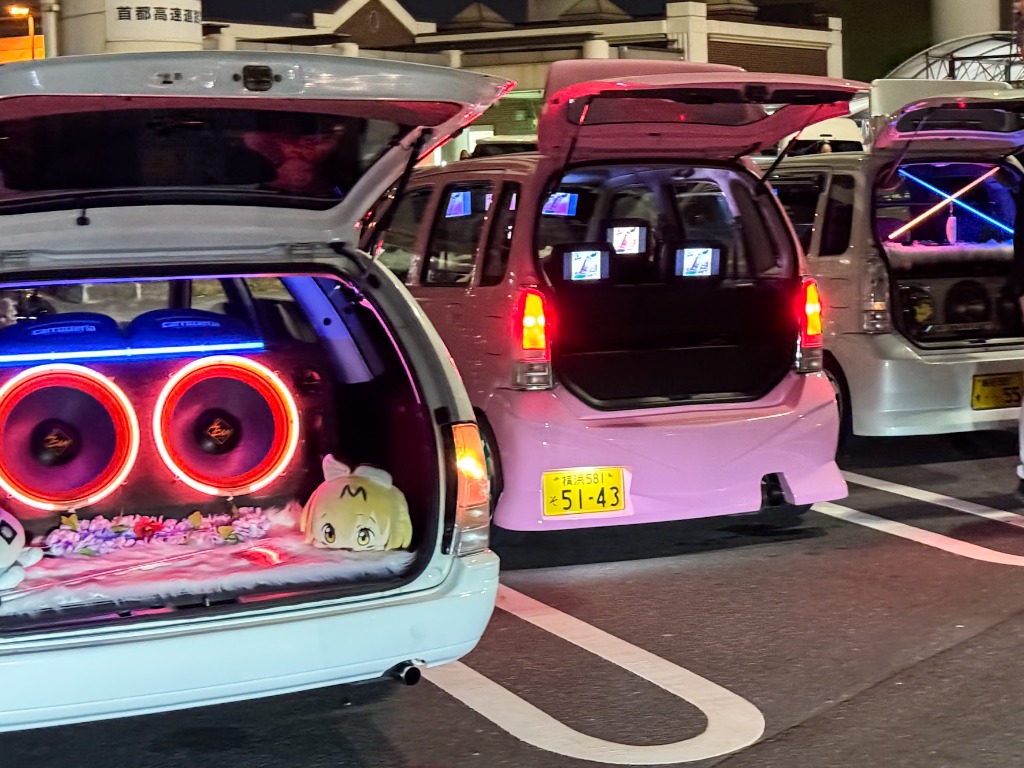
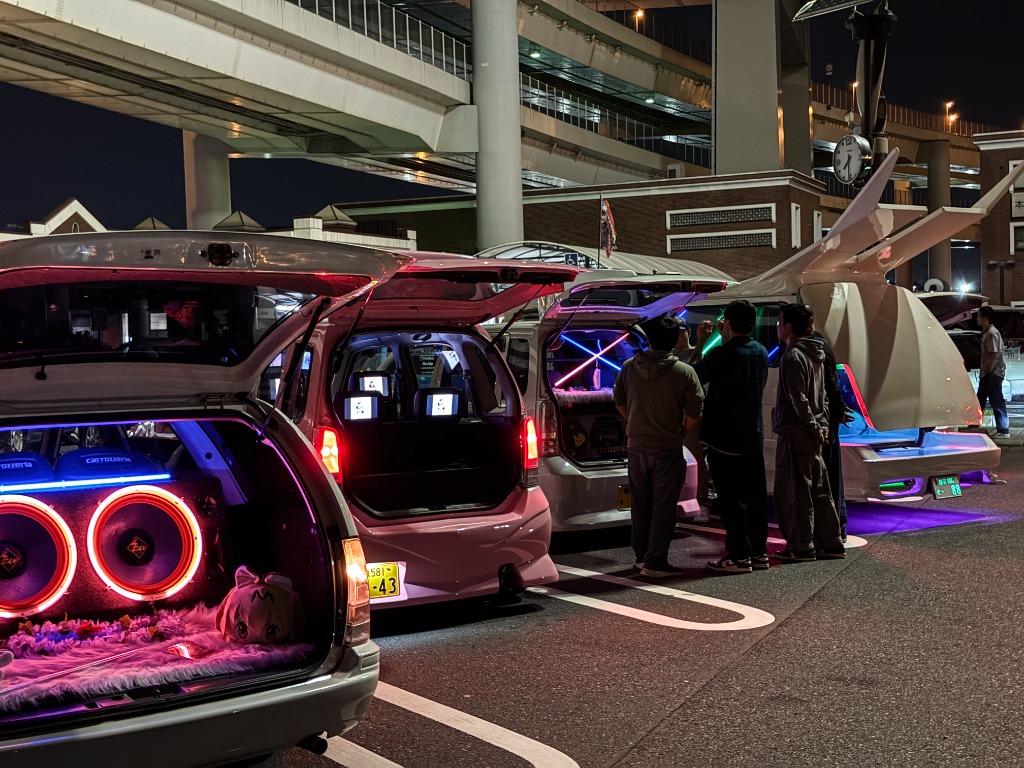
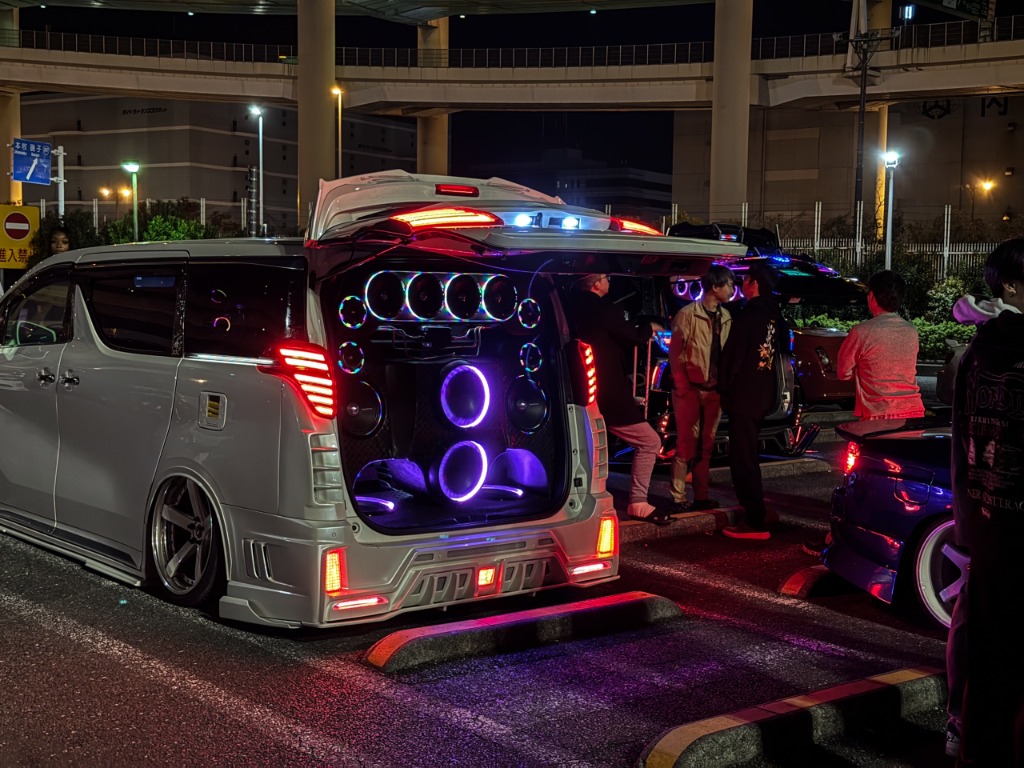
One of the most unique and unmistakably Japanese subcultures you will encounter at Daikoku PA is the Onkyozoku (Sound/Audio Tribe). Usually consisting of heavily modified minivans (like Toyota Alphards or HiAces) or completely custom-built audio demonstration vehicles, these cars are rolling nightclubs. Their trunks and interiors are entirely stripped out to make way for massive walls of subwoofers, amplifiers, and custom neon or laser light shows.
When the Onkyozoku arrive, you won't just hear the exhaust notes—you will physically feel the bass vibrating through the ground. They are a core part of the festive, chaotic atmosphere that makes Daikoku PA world-famous.
The Dorifto-zoku (Drift Culture)
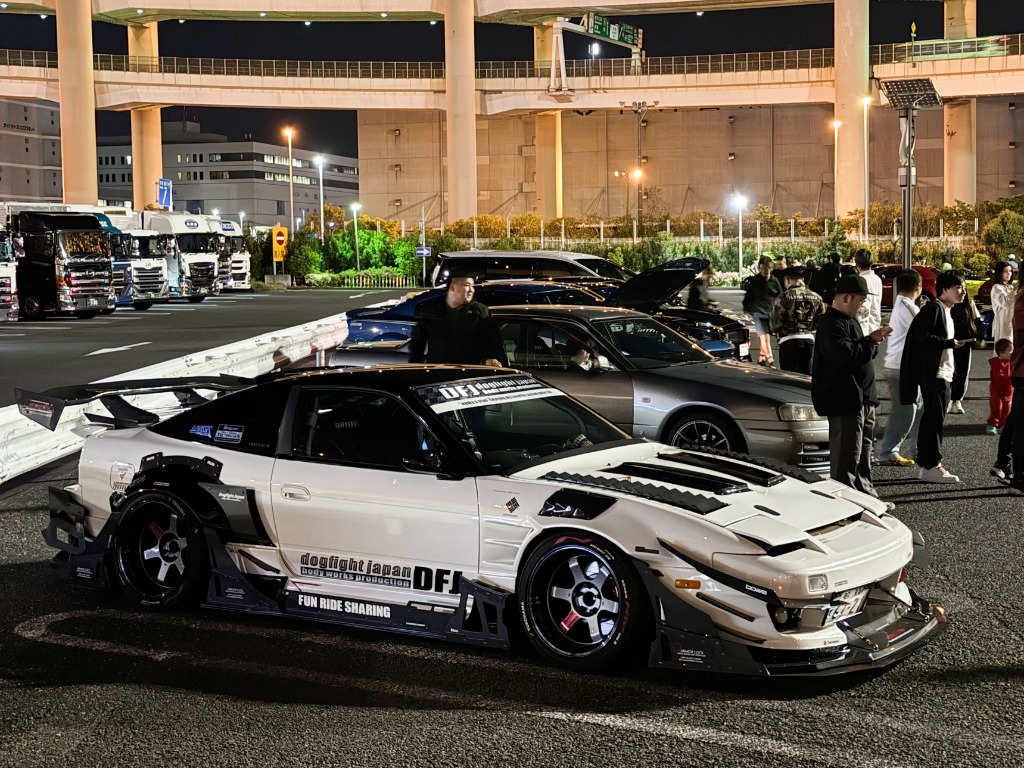
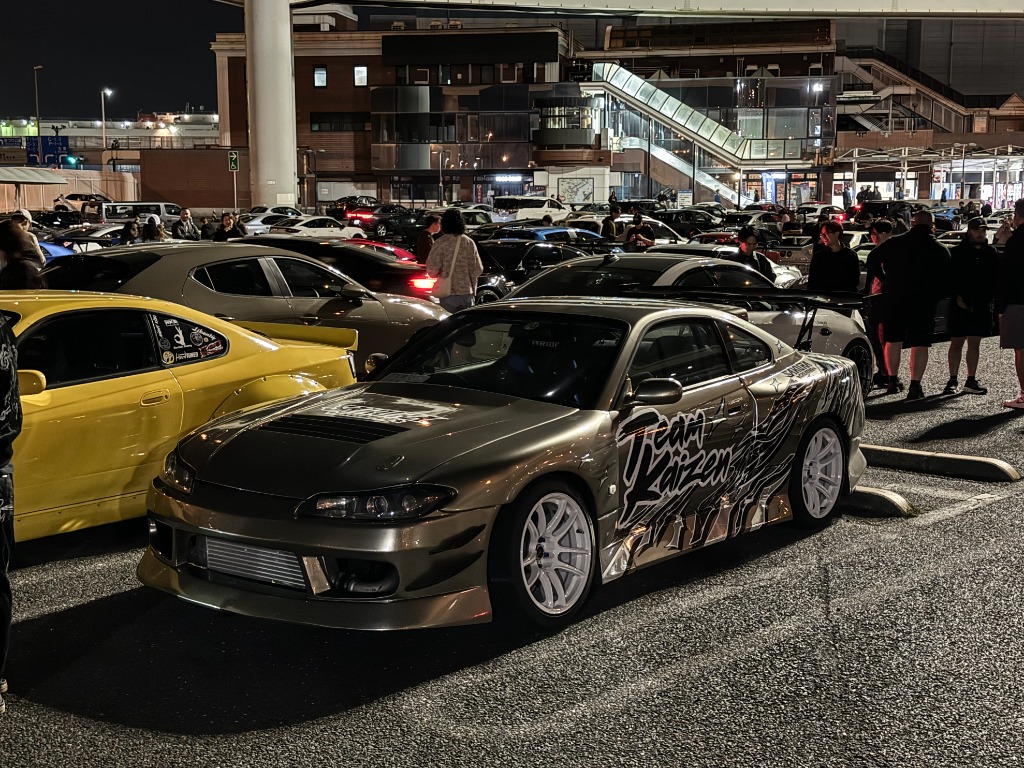
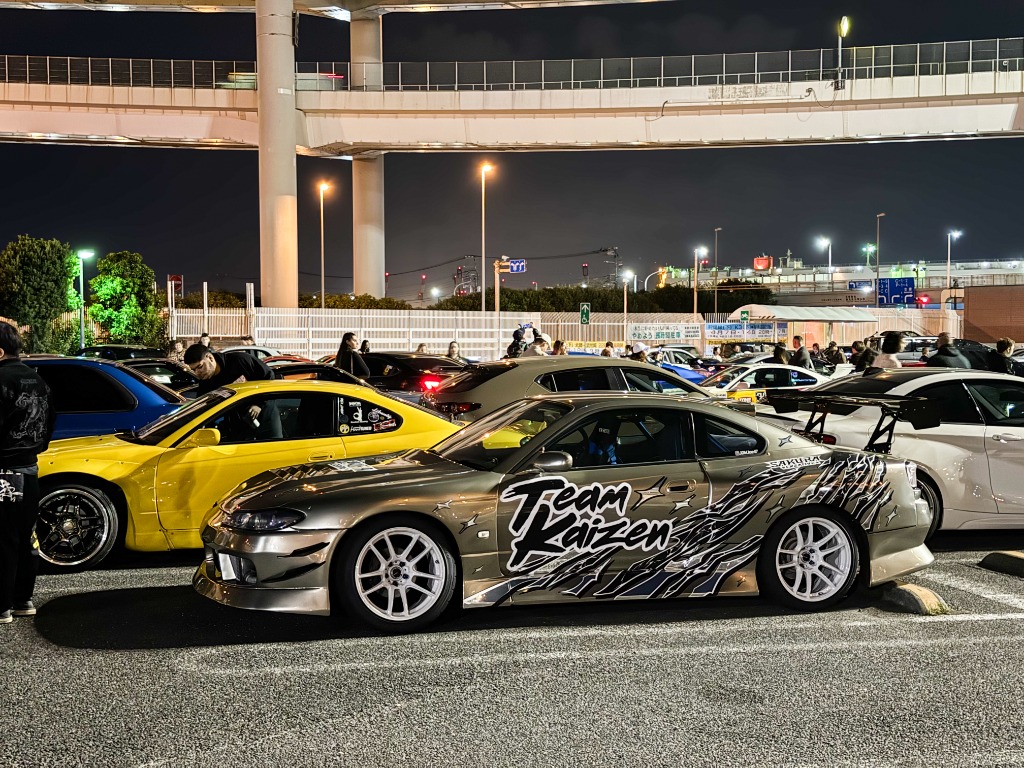
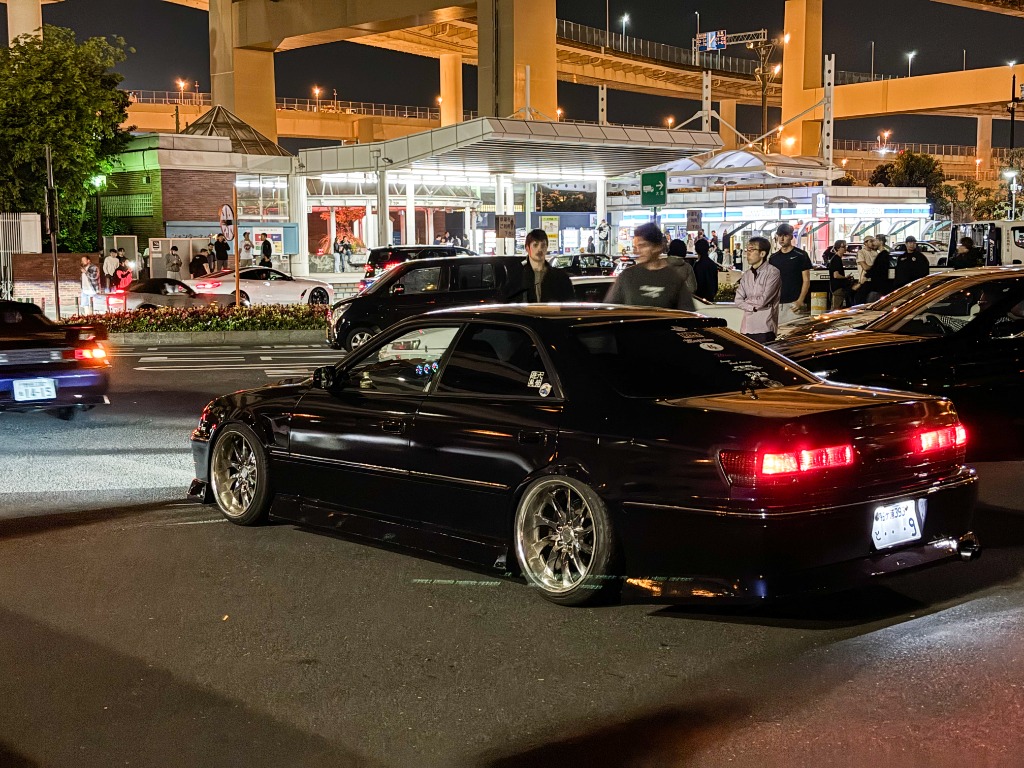
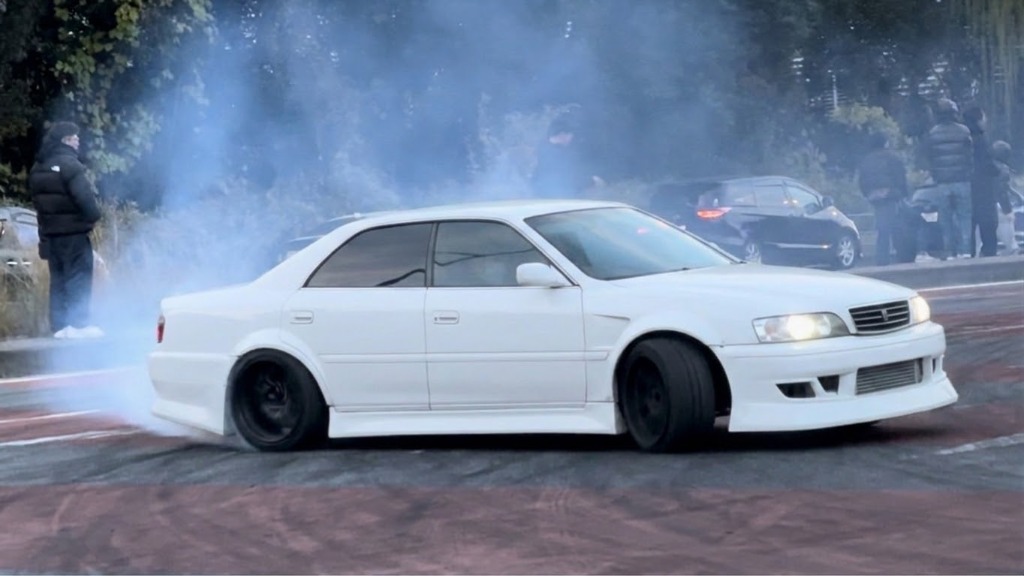
Japan is the undeniable birthplace of modern drifting, and that tire-shredding legacy is well represented on the streets and in the parking areas. The Dorifto-zoku (Drift Tribe) culture brings an entirely different energy to the car scene. You'll frequently spot purpose-built drift missiles and meticulously clean slide machines—mainly Nissan Silvias (S13, S14, S15), 180SXs, Mazda RX-7s, and rear-wheel-drive Toyota sedans like the Chaser, Mark II, and Cresta (the legendary JZX chassis).
These cars wear their battle scars proudly: zip-tied bumpers, mismatched wheels, widened fenders, and aggressive aero kits. While Daikoku PA itself is strictly for parking, the presence of the drift community serves as a reminder of the raw, adrenaline-fueled side of Japanese street culture.
The Infamous C1 Loop & The Kanjozoku
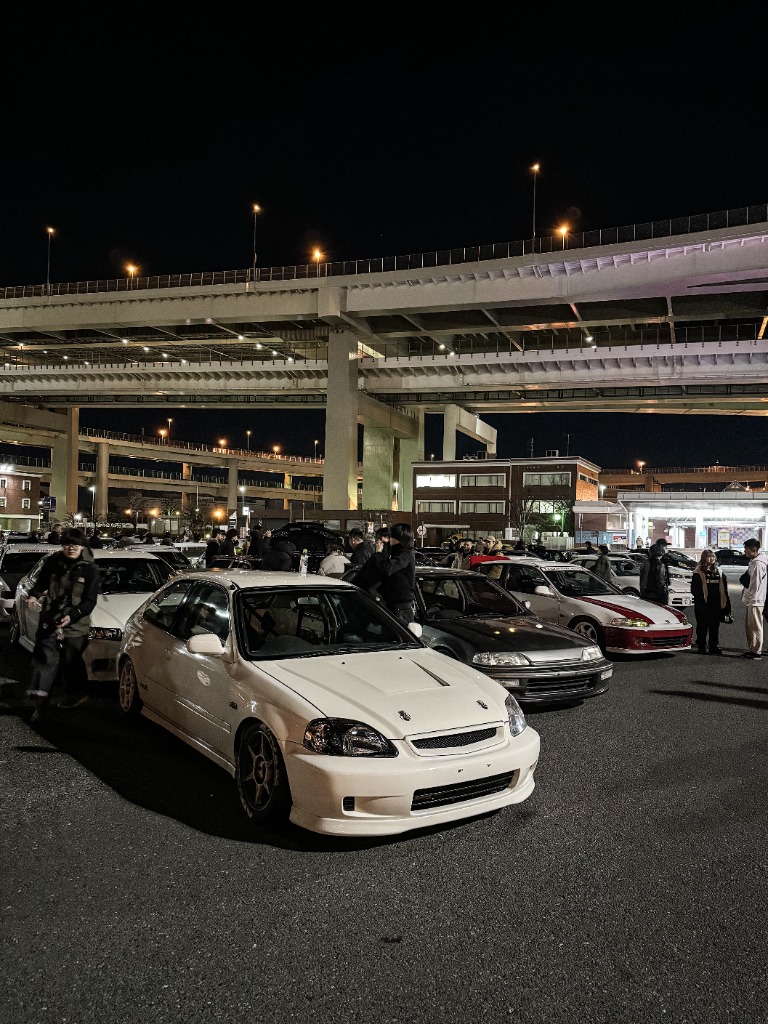
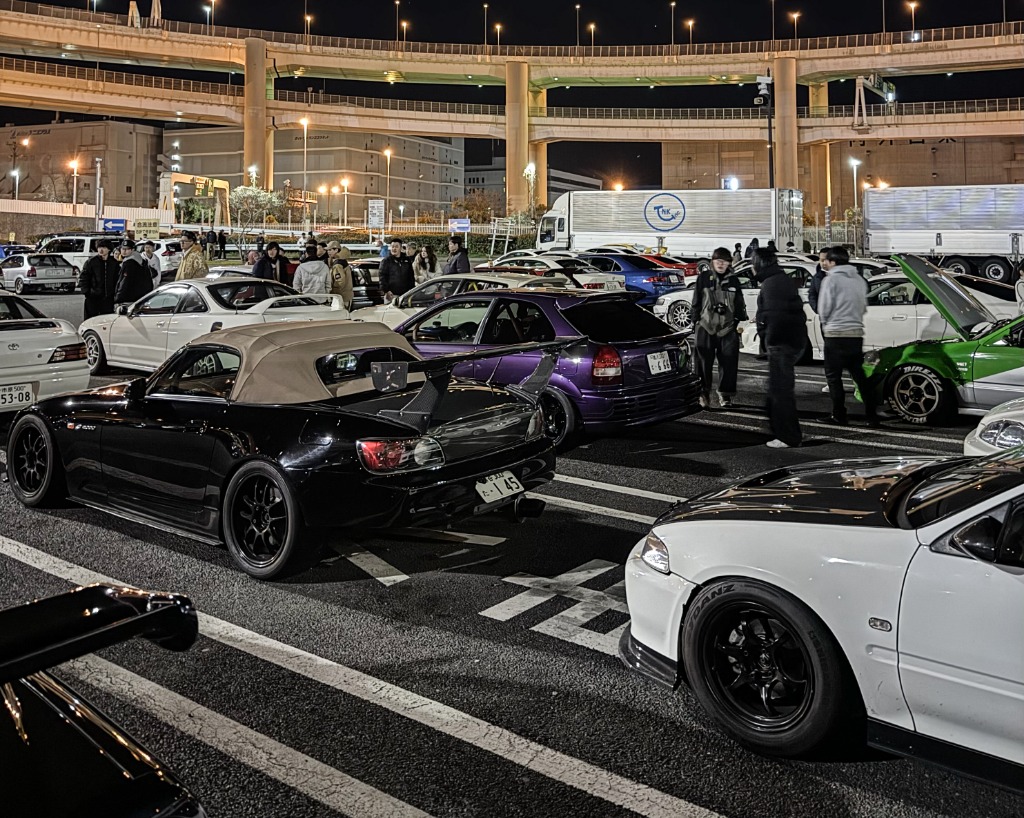
No discussion of the Tokyo highway car scene is complete without mentioning the infamous C1 Loop (Inner Circular Route) and the legendary street racers known as the Kanjozoku (Loop Tribe) or the Roulette-zoku in Tokyo. Unlike the stationary car meets at Daikoku PA, these groups are dedicated purely to high-speed driving on the looping layout of the Shuto Expressway.
The C1 is a tight, highly technical, 14.3-kilometer ring road directly through the heart of Tokyo. With blind corners, narrow lanes, and terrifying elevation changes, it acts as a real-world track for tuned vehicles. During the golden era of the 1990s, heavily modified Honda Civics (in Osaka's Kanjo scene) and high-horsepower GT-Rs, Supras, and RX-7s dominated these roads.
Chasing the Ultimate Lap Time
During the peak era of highway racing, driving teams would treat the C1 Loop like a qualifying session at Suzuka Circuit. A standard, legal drive around the 14.3km inner loop in normal traffic might take 15 to 20 minutes. However, top-tier street racers in lightweight, heavily tuned vehicles routinely aimed to break the 5-minute barrier. Achieving times around the 4 minute, 50 second mark required driving at extraordinary speeds, relying on extreme driver skill and perfectly tuned suspension setups to handle the dangerous highway expansion joints and tight chicanes.
Access and Logistics: How Do You Actually Get There?
This is the most critical piece of information for foreign visitors: There is absolutely no way to reach Daikoku PA using public transportation, walking, or taking a taxi.
Because it is enclosed entirely within the toll-gated Shuto Expressway network, you cannot simply take a train to Yokohama and walk over the bridge. There is no pedestrian access, and attempting to walk onto the highway is strictly illegal and extremely dangerous. Furthermore, taking a standard taxi is a massive gamble—taxi drivers cannot legally wait for you inside the parking area, and summoning a new taxi to pick you up from inside the complex is nearly impossible.
What About Buses, Uber or a Rental Car?
Some public buses run near the Daikoku area, but none of them enter the parking area, and walking in from a bus stop is impossible. Calling an Uber or taxi to pick you up from inside the PA late at night is unreliable, so you risk being stranded on a highway island. Renting a car is possible with an International Driving Permit, but driving Tokyo's multi-level Shuto Expressway at night is confusing for first-time visitors. That's why most travelers choose a guided Daikoku PA tour.
The Solution for TravelersIf you do not have a Japanese driving license or an International Driving Permit (and the confidence to navigate the terrifyingly complex Tokyo highway system at night in a rental car), your only viable option is to book a specialized tour.
The Tokyo Wangan Night Cruise
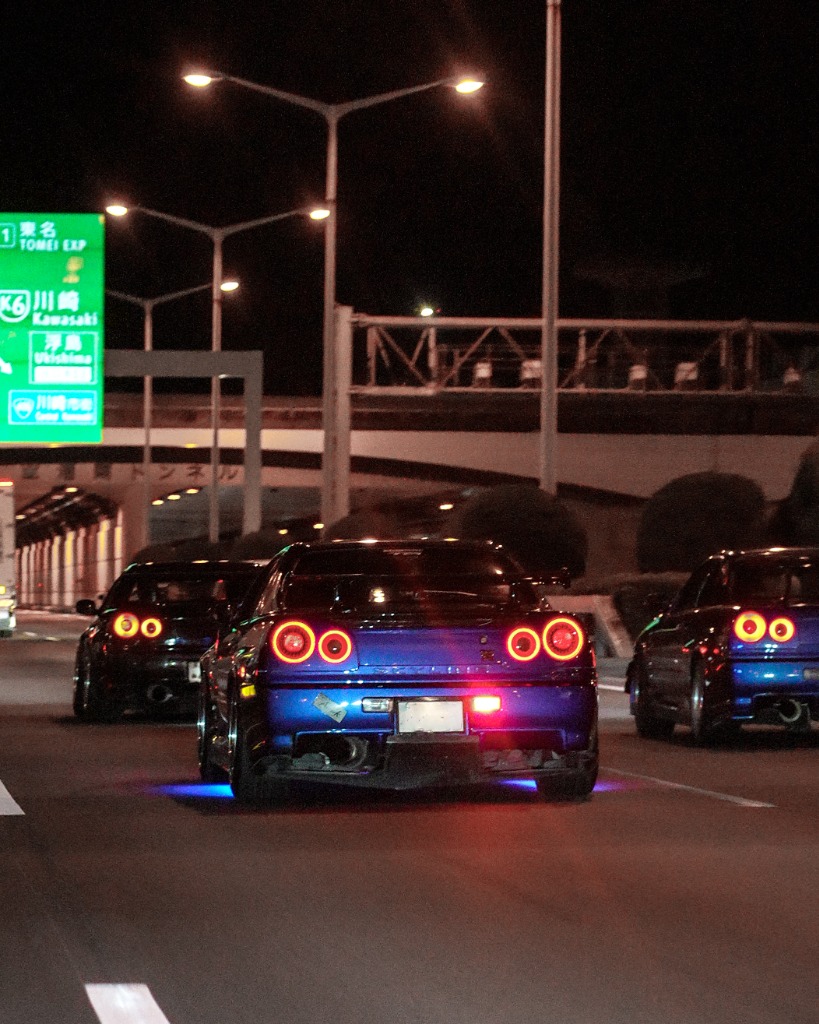
While Daikoku PA is the ultimate destination, the journey there is half the experience. The route from central Tokyo down the Bayshore Route (Wangan) offers some of the most spectacular, cyberpunk-esque night driving in the world. Cruising across the illuminated Rainbow Bridge or the sweeping Yokohama Bay Bridge alongside a convoy of tuned JDM legends is an experience that cannot be replicated anywhere else.
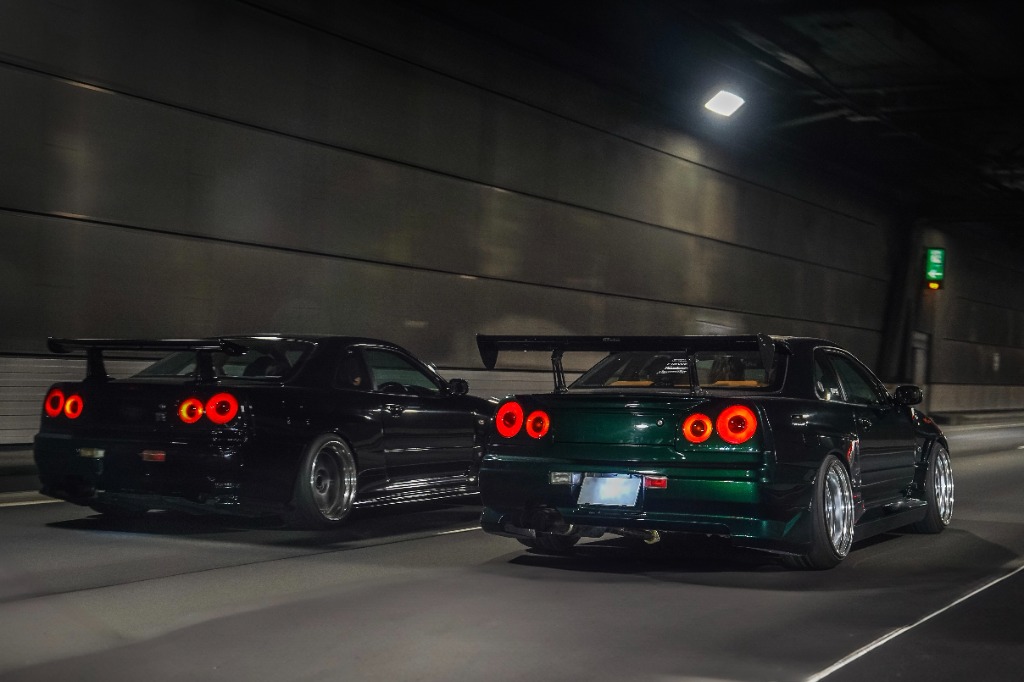
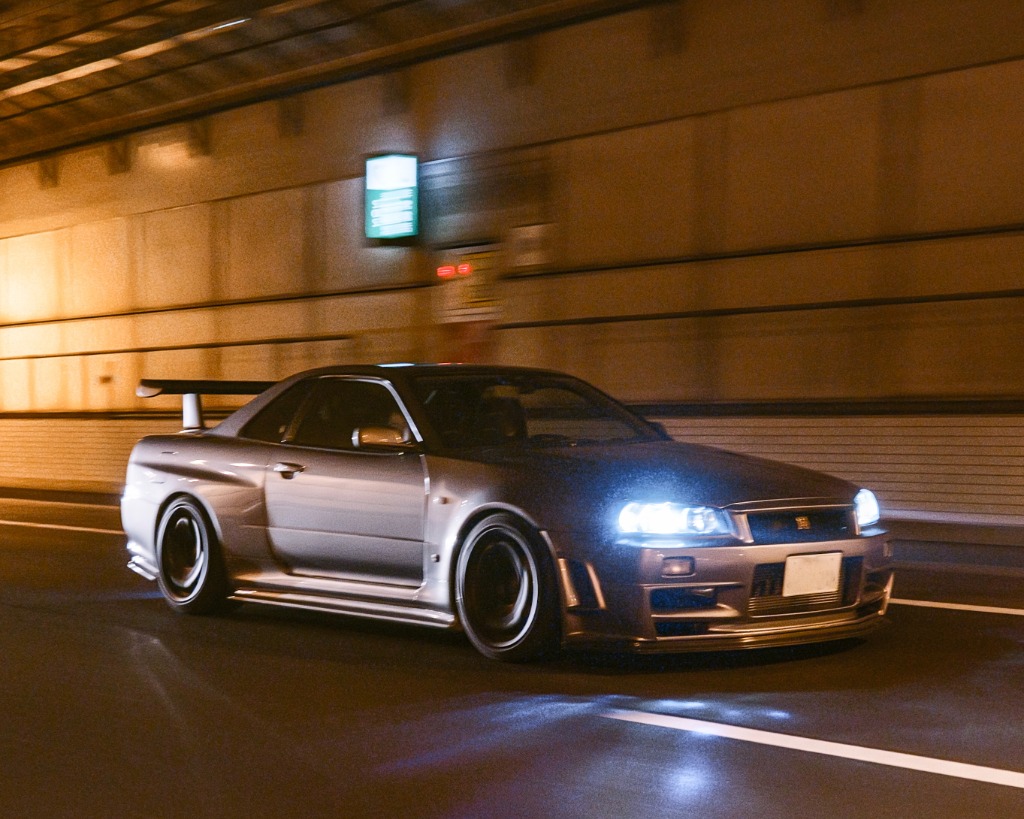
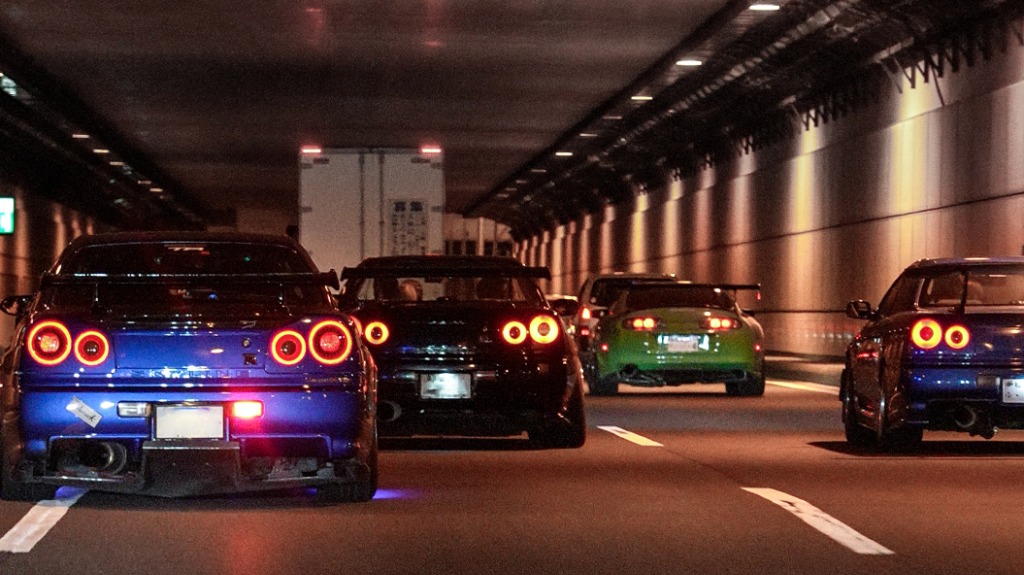
The iconic glowing taillights of Nissan Skyline GT-Rs tearing through the long, meticulously paved highway tunnels of the Shuto Expressway look exactly like a scene ripped straight from famous video games or anime. This high-speed procession, surrounded by the towering lights of the Tokyo harbor and industrial Kawasaki zones, is the definitive Japanese tuning culture experience.
Experience Daikoku The Right Way
Getting to Daikoku PA is a challenge, but arriving in an iconic JDM vehicle makes the entire experience unforgettable. You aren't just a spectator stepping out of an Uber; you arrive as part of the culture.
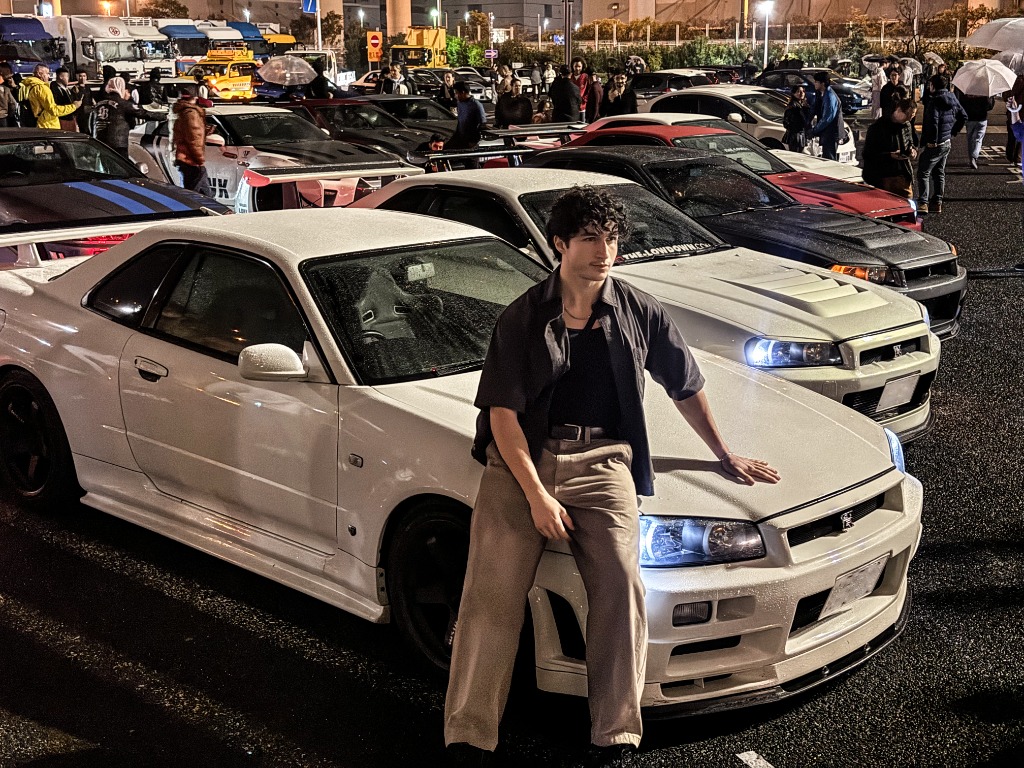
With DAIKOKU HUNTER, you can experience the Tokyo wangan highways and Daikoku PA from the passenger seat of some of the most legendary cars in existence, including the iconic Nissan Skyline R34 GT-R and R35 GT-R. Our expert drivers know the best times to go, the best routes to take, and understand the intricate etiquette rules of the parking area to ensure you have a safe, immersive experience.
Ready to dive into Tokyo's underground?
Our schedules fill up weeks in advance. Secure your ride today and guarantee your spot for the ultimate JDM experience.
Book Your Daikoku Tour NowEssential Rules and Etiquette
If you do manage to make it to Daikoku, remember that it is still actively used by truck drivers and families taking legitimate rests. The police (Kanagawa Prefecture) frequently patrol the area and hold the authority to shut down the parking lot if things get out of hand. To ensure the culture survives, visitors must respect the space:
- Do not jump over fences. Entering restricted areas or climbing over barriers is strictly prohibited.
- Do not touch or sit on cars. Never lean on, touch, sit on, or lean into someone else's vehicle without their explicit permission.
- Mind your belongings. Be extremely careful not to accidentally scratch or hit cars with your bags, backpacks, or umbrellas as you navigate the parking area.
- Do not litter. Please dispose of all your trash properly in the bins provided around the vending machine areas.
- No fighting or aggressive behavior. Keep the atmosphere friendly and respectful. Any conflicts will immediately attract police attention and ruin the meet for everyone.
- Keep the noise down. While engines will roar during arrivals and departures, excessive stationary engine revving is highly frowned upon and is usually the fastest way to get the police to clear out the entire meet.
Frequently Asked Questions
What is the best day and time to visit?
Weekday nights — especially Thursday — are the most reliable. Friday and Saturday draw the biggest crowds, but on busy weekends the police often close the parking area as early as 7:30 PM. Sunday mornings can also attract incredible classic cars and supercars.
Does the police ever close the parking lot?
Yes. It is colloquially known as a "Daikoku Heisa" (Daikoku Closure). When the lot becomes overwhelmingly full or noise complaints spike, highway patrol blocks the entrance ramps and forces everyone currently inside to leave. This can happen very early on busy weekend nights, sometimes even around 7:30 PM.
Is there food available?
Yes! Daikoku PA operates a 24-hour convenience store (Lawson), an extensive row of hot and cold drink vending machines, and a food court (though the hot food court usually closes by 9:00 PM).